Posted on 2 Comments

Organic Flax Seed Glycerin

A Magic Ingredient for Skin and Hair

Christina Moss Naturals organic flax glycerin is far superior to other glycerin products. Why? Because it’s 100% derived from organic flax seeds. That means it’s 100% palm-free and 100% vegan friendly. But what makes this product a real showstopper is its versatility and performance.
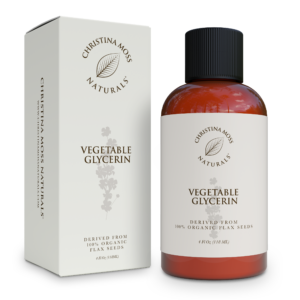
Vegetable Glycerin Derived from 100% Organic Flax Seeds - Box & BottleWhat Makes Our Glycerin Different?

First, it’s important to understand that conventional derivatives of glycerin are usually from:

    1. GMO Oils
    2. Palm Oils
    3. Animal Fats

If you already use my products, you most likely have a concern about genetically altered foods and cosmetics. If you care about the Earth (which I believe my customers do) you probably buy nothing that contains palm oil because you understand farming the palm tree forests is destroying our environment. And if you object to smearing animal products on your skin, you probably avoid ingredients with animal fats.

In stark contrast to the conventional glycerin above, we derive our glycerin only from organic flax seed. This environmentally friendly product has clear, sweet and odorless qualities, along with an impressive list of practical uses. Read on and discover more about this ingredient, including how it can naturally provide enormous benefits to skin and hair.

What is Cosmetic Glycerin Used For?

In a nutshell, you can use flax glycerin in lip masks (add sugar or salt and gently scrub your lips), hair masks (put some conditioner in your hand and add some glycerin) and face masks (try adding some to a face mask). It can also enhance moisturizer by mixing them in the palm of your hand and applying the moisturizer as usual. Notice the dewy glow it gives your skin. Add some to body lotion for the same dewy glow all over. Glycerin is an emollient, so it softens and moisturizes. Because of its natural sweetness, skin will readily absorb its qualities, especially when used in a face mask and combined with other raw ingredients. It can really help boost the quality of your skin. Our glycerin is pure, gentle, and safe for most skin types and is appropriate for everyday use.

What are the Benefits of Vegetable Glycerin?

• Moisturizes Skin
• Makes Skin soft and Supple
• Can Help Heal Damaged Skin
• Can Help Heal Fine Lines and Wrinkles
• It Protects Skin from Environmental Toxins
• Improves Skin and Hair Health and Condition
• Controls Infections
• When Stored Correctly, has a Long and Stable Shelf Life
• It’s Non-toxic
• Non-Irritating
• Hypoallergenic – In Fact, Allergic Reactions are Rare
• Provides Lasting Hydration
• Can Help Clear Up Problem Skin
• Does Not Strip Natural Skin Oils

Reduces Hair Frizz

 When combined with a hair formulation, vegetable glycerin can reduce dryness, flyaway hair, and frizz, leaving your hair extra soft and shiny.

Smooths Skin

Flax glycerin can smooth out the appearance of skin and improve the complexion by filling in pores and fine lines where it goes to work rejuvenating these areas of visible aging.

Evens Out Skin Complexion

Using vegetable glycerin can lighten your skin tone, diminishing the visibility of dark spots.

How To Use It?

You can directly use vegetable glycerin on our skin or hair as a moisturizer. Use it as a base and add a small amount of essential oils and a carrier oil. This makes for a fantastic massage oil.

Storing Instructions

Our vegetable glycerin is packed in an amber bottle that provides UV protection. It has a very impressive shelf life. But to really keep it long-lasting, it is best stored at room temperature, away from sunlight.

~ Christina Moss

NOTE: Allergic reactions to glycerin are quite rare, which is why it’s used as a negative control in allergy scratch tests. However, (obligatory disclaimer) we don’t recommend using it on broken or cut skin, or if skin is super sensitive, without first consulting with a dermatologist. In the unlikely event that redness or rash should develop (or if any non-optimum condition arises), discontinue use and contact your dermatologist.

References:

  1. https://pubmed.ncbi.nlm.nih.gov/22913439/
  2. https://www.ncbi.nlm.nih.gov/pmc/articles/PMC6559254/
  3. https://www.ncbi.nlm.nih.gov/pmc/articles/PMC3839013/
  4. https://pubmed.ncbi.nlm.nih.gov/31840548/
Posted on 3 Comments

Silicones

If your conventional shampoo, lotion, or makeup goes on smooth, silicones are probably the reason why. These synthetic ingredients are added to skincare products to improve the way they feel on your skin, but they cause enough side effects that I don’t want them anywhere near my products…or my body. Here’s everything you need to know about these common ingredients.

What are Silicones?

Silicones start out from a natural product – a substance called silica. However, they undergo so much chemical processing before they’re used that they really can’t be called anything other than synthetic.

This ingredient is everywhere in conventional hair, skin, and cosmetic products. Manufacturers love them because of the impact they have on a product’s texture. When silicones are in the mix, products go on smoothly, without tugging or feeling oily or sticky. Hair washed with silicone products feels silkier, and skin ends up feeling smoother. Silicones are a cheap, easy way to get this effect, but there are other types of costs involved.

Where Can You Find Silicones?

Lots of places. The list includes skin creams, serums, shampoos, other hair care products, makeup products like foundation, eyeshadow, blush, liquid and pencil eyeliners, and lipstick. You’ll also find them in anti-aging skincare products, as they can help blur fine lines and wrinkles.

Silicones’ Downsides

Silicones have an occlusive effect. This means they easily build up and smother your skin and scalp. In the short-term this buildup may help protect against outside pollution, but if you rely on them too often your skin might become dependent, which in the long run leaves it duller and less healthy.

The more silicone builds up on your skin and hair, the tougher it is to clean off. If it builds up on your hair, you’ll end up with locks with less volume. The occlusive effect will prompt your hair to retain fats and secrete oil more quickly, which means you’ll have to wash it more often… which means you’ll need to use more of the product that put silicones in your hair in the first place. You’ll also have to buy more of the product, which I’m sure is something that makes the manufacturers quite happy!

Silicone is one of the many ingredients the European Union has banned for its potential to impact our body’s hormones. While the FDA contends that there is no danger at the level we currently experience this chemical, we don’t really know the consequences of buildup over time.

The final downside of using silicones is their impact on the environment. While research is still ongoing, in 2008 an Environment Canada review found that certain siloxanes have the potential to accumulate in aquatic organisms. Environmental activists encourage consumers to avoid silicones until more is known about the full impact they have on our ecosystem.

Avoiding Silicones

The best way to avoid silicones is to keep a sharp eye on your ingredients list. The two most common types of silicones are dimethicone and cyclopentasiloxane. Look for products that are silicone free. The easiest way to find them? Stick to natural products that don’t use any synthetic ingredients.

There are better ways to get great texture in your skincare products than silicones. Look for natural alternatives and skip the synthetics altogether – the environment will thank you!

What kind of products have you found that contain silicone? Let me know about them in the comments below!


Christina Moss

Posted on 2 Comments

Verbena Essential Oil

verbena

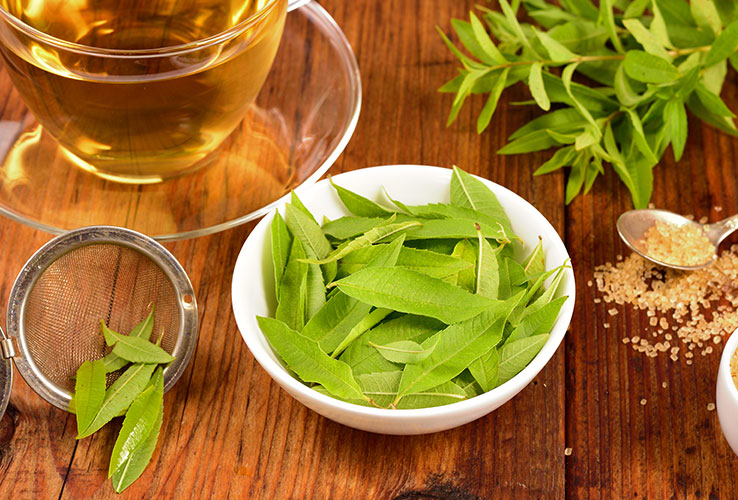
If you love the bright, lively aroma of a freshly squeezed lemon, you’ll love verbena essential oil as much as I do! This citrusy oil is one of my go-to ingredients when I want to give one of my skin or haircare products a little boost. But verbena’s aroma is just the beginning. Here’s everything you need to know about this useful essential oil:

Verbena Essential Oil Uses

Verbena essential oil is distilled from the leaves and stalk of the lemon verbena plant. Both the leaves and the oil have been used for centuries in the culinary arena, providing foods with a subtle but delicious lemony flavor. Today it’s still used in the kitchen, but you’ll also find verbena oil playing many roles in aromatherapy, skincare, and massage:

  • Treating Acne: Verbena essential oil contains antiseptic properties, which make it a powerhouse for cleaning the skin and clearing up acne. Wash with a diluted mixture nightly to help keep acne flare-ups from marring your complexion.
  • Reduce Eczema: Now I’ll admit this is anecdotal, but I’ve heard people swear by verbena oil when it comes to soothing and reducing eczema flare-ups. Again, a diluted mixture is the best choice here. Try using coconut oil as a carrier to nourish and moisturize eczema-prone skin while reducing the severity of episodes.
  • Slow the Signs of Aging: Add “antioxidant” to the list of verbena’s properties. This oil fights free radicals, helping to reduce the signs of aging on your skin. Use a moisturizer or night cream that contains this essential oil to slow the progression of crow’s feet and other wrinkles.
  • Reducing Joint Pain: Alongside its antiseptic properties, verbena essential oil also helps to reduce inflammation. This makes it a great choice for anyone suffering from joint or arthritis pain. Dilute verbena in your favorite carrier oil and apply to aching joints for natural and aromatic relief.
  • Soothe Sore Muscles: Verbena essential oil is a favorite among sports massage experts. It helps to reduce lactic acid build-up, keeping you much more comfortable after a tough workout.
  • Improve Concentration: Have a long night of work or studying ahead? Drop some verbena oil into an infuser and enjoy its aromatherapeutic benefits. Surrounding yourself in its aroma can help you absorb and retain new information while relaxing away some of the stress and tension of late nights and deadlines.

Verbena Cautions and Warnings

Most people can use verbena essential oil safely, but a small number of people may experience mild skin irritation, especially if used incorrectly. If you’re new to blending oils, check in with an expert to make sure your mixtures are safe to use. If you have kidney disease, please check in with a doctor before using verbena – some of its components may aggravate your condition.

Finally, be on guard when buying verbena oil. This oil does tend to be on the more expensive side, but there are plenty of people out there who are happy to sell you cheap knock-offs. Do your research and make sure you’re buying from a reputable brand before putting any money down.

Between its physical benefits and its uplifting aroma, verbena is an oil you don’t want to miss out on. Is it a part of your essential oil kit? What’s your favorite use? Let me know about it in the comments below!

– Christina Moss

Posted on 1 Comment

Rosemary Essential Oil

rosemary

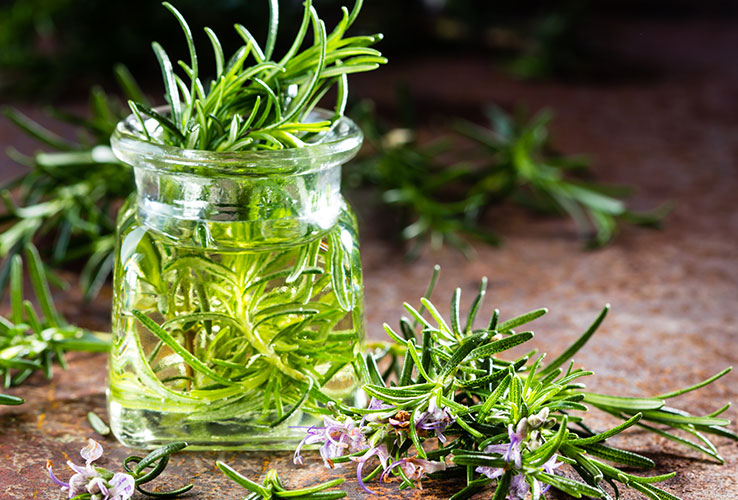
Rosemary – it’s not just the herb you’ll find next to parsley, sage, and thyme. This aromatic herb is used to create rosemary essential oil, a potent substance with a number of amazing benefits. I love rosemary’s unique aroma – it adds a wonderfully green fragrance to soaps, shampoos, and lotions. But its aromatic uses are just the beginning; this essential oil is packed with benefits.

Rosemary Essential Oil Benefits

Traditionally, this Mediterranean evergreen was used for medicinal purposes, including memory improvement, muscle ache relief, and digestive relief. Today, it’s used in a number of cosmetic and aromatherapeutic situations. Here are just some of the ways you can benefit from this oil:

  1. Improved Hair Growth: Your hair follicles love rosemary. When you apply rosemary essential oil to your hair, it wakes them right up! Use this oil to stimulate hair growth. Not only can it help your hair grow longer and stronger, it can slow down premature hair loss. Use diluted rosemary oil in a tonic or shampoo to fight back against aging hair and male pattern baldness.
  2. Scalp Healing: An itchy, flaking scalp can be a real pain, and those white flakes on your shoulders don’t do much for your appearance. The same hair tonic or shampoo you used to improve hair growth can also provide exactly what your itchy scalp needs to heal. Even better, combine it with tea tree oil or basil oil to create a tonic that fights the bacteria that causes dandruff in the first place. And a final perk? Your hair will smell amazing.
  3. Soothe Skin Conditions: Rosemary essential oil contains antimicrobial and antiseptic qualities that benefit the skin if you suffer from eczema, dermatitis, or acne. Apply a cream or lotion that contains rosemary oil regularly to soothe away flare-ups, moisturize your skin, and create a bright, healthy glow.
  4. Stress Relief: Let’s talk stress for a minute. When something stresses you out, your body releases a chemical called cortisol. If you’re constantly undergoing stress, cortisol is constantly building up in your blood. Let that go on unchecked and you’ll end up with a hormonal imbalance or an impaired metabolism. But not to worry – you have rosemary essential oil, which has been proven to decrease the level of cortisol in saliva. Simply enjoy the aroma of rosemary for 5 minutes a day and watch your stress slip away.

Rosemary Essential Oil Cautions

Rosemary essential oil is safe for most people to use. However, if you have epilepsy it is recommended that you avoid oils that, like rosemary, have a particularly strong scent. If you know you’re allergic to rosemary, don’t use this oil. If you’re pregnant, check in with your doctor or midwife before use. Finally, any essential oil can be dangerous if it isn’t diluted properly. If you’re unsure how to use rosemary oil safely, check in with an expert before making your own mixtures.

Rosemary may taste great on chicken and potatoes, but that’s just the beginning of what this aromatic herb can do! Do you love rosemary oil, or even the herb? How do you like to use it? Let me know your cosmetic or culinary recipes below!

– Christina Moss

Posted on

Peppermint Essential Oil

peppermint leaves and essential oil

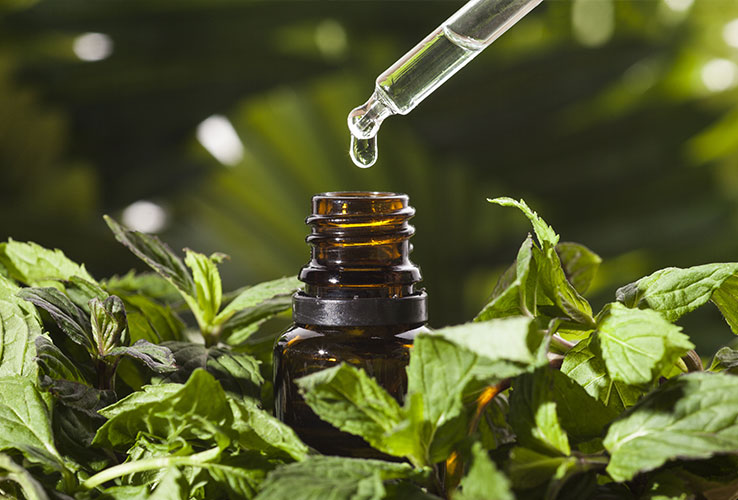
We all know the unmistakable scent of peppermint. While you might associate this herb’s aroma and taste with the holiday season, it’s been used year round for millennia for its many medicinal and cosmetic benefits. With its comforting fragrance and variety of uses, I find myself adding peppermint essential oil to my products quite often. Here are six reasons why I can’t get enough of this oil:

Continue reading Peppermint Essential Oil

Posted on

Orange Essential Oil

orange slices

Who doesn’t love the juicy, citrusy scent of a ripe orange? If you don’t have any fruit on hand, you can capture this unmistakable aroma in the form of orange essential oil. Like many other oils, it contains countless benefits and smells absolutely divine. Here are just a few of the reasons I love using orange essential oil in my products and in my everyday life.

Continue reading Orange Essential Oil

Posted on 2 Comments

Lemongrass Essential Oil

Lemongrass

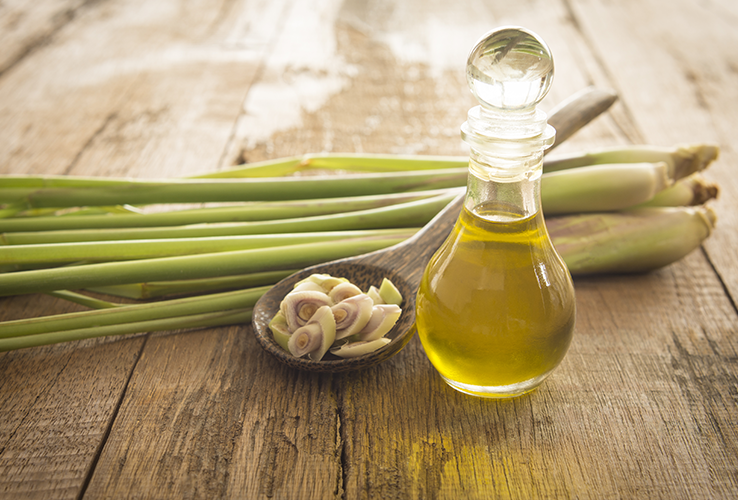
If you’ve ever enjoyed the fresh flavors of Thai or Vietnamese food, you know how delicious lemongrass can be. But its culinary uses are just the beginning. Lemongrass essential oil is one of my favorite oils to use in everyday life and to add to shampoos, soaps, lotions, and more. Here’s why I love this bright, citrusy ingredient.

Continue reading Lemongrass Essential Oil

Posted on 4 Comments

Synthetic Colorants & Dyes

Artificial Colorants

Who doesn’t like something colorful? I know I do. Take a look at your shampoos, soaps, lotions, and cosmetics and you’ll see a rainbow of lovely shades. Unfortunately, most manufacturers rely on artificial dyes to fill their products with color. Here’s everything you need to know about artificial colorants, and why they’re worth avoiding wherever you can:

Continue reading Synthetic Colorants & Dyes

Posted on 2 Comments

Fluoride

Boy drinking water

Here’s a quick quiz: what used to be a way to control cockroach and lice infestations, and is now in our drinking water? The answer: fluoride.

Fluoride is difficult to avoid. It’s in our water, our juice, our wine and beer, and even in baby formula. While water fluoridation has been banned in most European countries, it’s everywhere in the American food supply. This is extremely troubling, as over-consumption of it has been linked to a number of very serious issues. Here are four of the most worrisome:

Continue reading Fluoride

Posted on

Natural Preservatives

jar of cream

Bacteria, mold, and yeast are a fact of life. Sometimes they’re beneficial, but when it comes to health and beauty products? No thank you. Preservatives are a vital part of making sure your lotion, soap, or shampoo lasts long enough for you to use it.

Unfortunately, preservatives are also an area where you can run into trouble if you use conventional products. Take parabens, for example. While this widely used class of preservatives does extend shelf life, it is also associated with a number of troubling health concerns.

Continue reading Natural Preservatives