Posted on 81 Comments

Propylene Glycol and Similar Ingredients

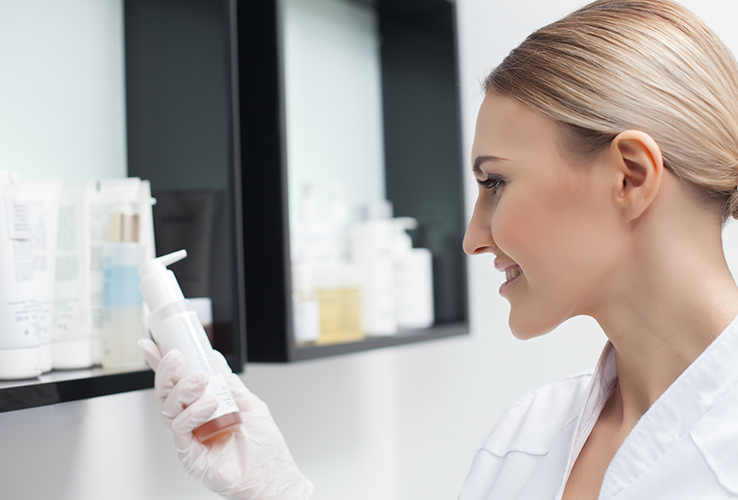
woman holding bottle in front of a shelf of various bottles of liquid

Propylene Glycol and Polyethylene Glycol – Ingredients Well Worth Avoiding

There are many nasty ingredients out there, but here I am going to touch on two that I find particularly bad: propylene glycol and polyethylene glycol. Otherwise known as PEG and PG, these ingredients are found in your car, your food, your pharmaceuticals, and (you guessed it) your personal care products. All this exposure is bad news if you value your health. Here is why:

Polyethylene Glycol – The Person You Don’t Want at a Party

Have you ever invited someone to a get-together, only to have that person invite a dozen of their friends? Before you know it, your food is gone, your house is ruined, and your neighbors aren’t speaking to you. Polyethylene glycol is that person.

The thing that PEG is best at is enhancing penetration. It helps other ingredients move deep down into your skin. So, when PEG joins a party, it brings all its friends with it, really ramping up the impact other undesirable compounds have on your skin.

Not only that, but PEG is often contaminated with some very nasty things. According to a report in the International Journal of Toxicology, PEG has been found to be contaminated with heavy metals (including lead) and ethylene oxide (an ingredient used to make mustard gas).1

When PEG penetrates your body, it also disrupts your skin’s ability to retain moisture. As a result, you end up with dryer, itchier, more irritated skin, which will probably leave you reaching for the same product that contained PEG in the first place. It is a vicious cycle and one that is hard to break without making a dramatic change in your skincare mindset.

I don’t know about you, but that sounds like the kind of party guest I would rather avoid… which I do.

Propylene Glycol – It’s Everywhere!

Here is a fun game: Try to find something that does not contain propylene glycol. Intravenous drugs? Check. Antifreeze? Check. Cake mixes? Check. Conventional personal care products? Big check on that one. PG is just about everywhere, and that is scary.

It is natural that an ingredient used in such a broad and varied range of products, from brake fluid to flavored iced tea to deodorant, would raise some suspicion. There has been quite a bit of research into PG, and the results are not comforting.

Even at relatively low concentrations, exposure to PG has been proven to cause irritation and allergic reaction. One report even shows that exposure to PG can cause skin, liver, and kidney damage.

Finally, just like PEG, PG increases penetration. That means the other ingredients in your lotions, shampoos, conditioners, and sun blocks can make it into your system much more easily. Over time, this exposure can really add up, especially when you consider just how often the average person encounters PG.

The safest bet is to avoid propylene glycol as much as possible, which is why I never use it in my formulations.

Doesn’t Your Skin Deserve Better?

There is no need to keep exposing yourself to PEG and PG, especially when there are plenty of alternatives out there. Choose propylene glycol and polyethylene glycol-free products and enjoy healthier (and happier) skin.

What are your experiences with propylene glycol and polyethylene glycol? Please tell me about them in the comments below.

– Christina Moss


Sources

1 American College of Toxicology
International Journal of Toxicology
https://journals.sagepub.com/home/ijt

Posted on

Olive Oil

Olive Oil

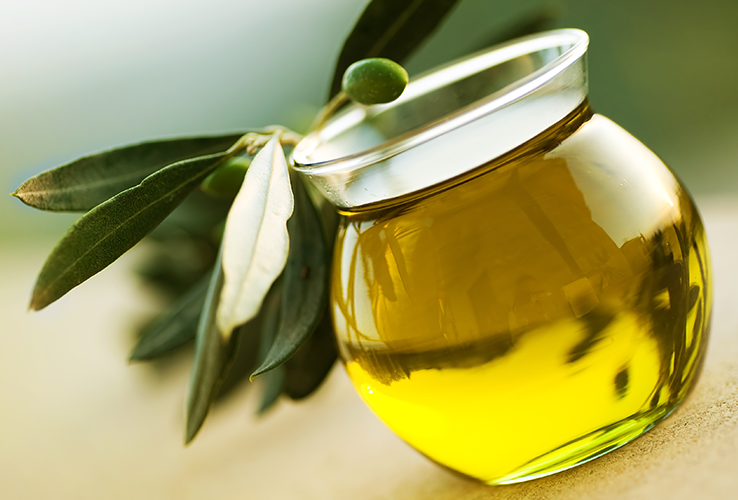
Most of the natural ingredients I use in my products aren’t something you already have in your kitchen. Olive oil, however, is a fantastic exception. It’s no secret that this oil is just as beneficial for cosmetic purposes as it is for culinary, but you might be surprised at just how many different ways there are to use this flexible, nourishing oil. Here are a few of my favorites:

Continue reading Olive Oil

Posted on

Aluminum in Cosmetics

Woman with a shopping bag in front of a shelf of products

Ingredients to Avoid: Aluminum

If you’re like me, deodorant is probably something you use every day, but not something you think too much about. Take a closer look at the ingredients on your favorite antiperspirant, though, and you’ll notice something that’s definitely worth some thought: aluminum. Aluminum is everywhere in our lives, but if your goal is to protect your health it’s something worth avoiding. Here’s why:

Continue reading Aluminum in Cosmetics

Posted on

Apricot Seed Oil

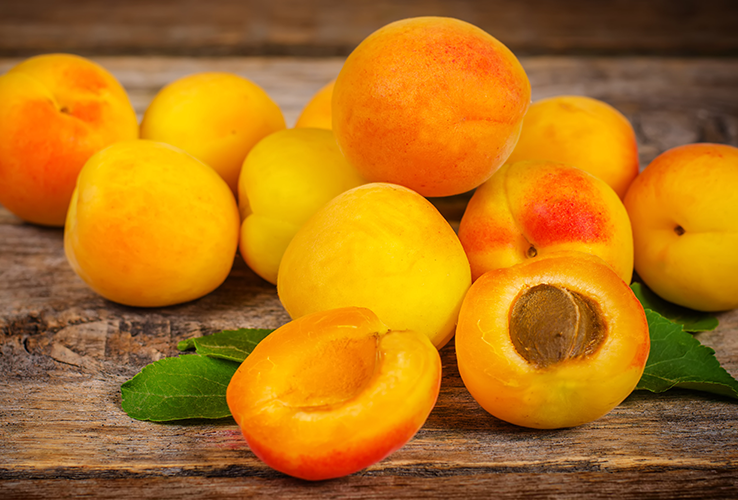
A bunch of Apricots

I used to think that apricots were only good for snacking, but when I started researching natural beauty ingredients I learned that this little fruit has much more to offer. With a little work apricot seeds can be made into an oil with incredible benefits for the skin and hair. Apricot Seed Oil is lightweight, has a beautiful fragrance, and is rich in nutrients that your body just loves. I never hesitate when I find a space for it in my products. Here’s why:

Continue reading Apricot Seed Oil

Posted on

Fragrances

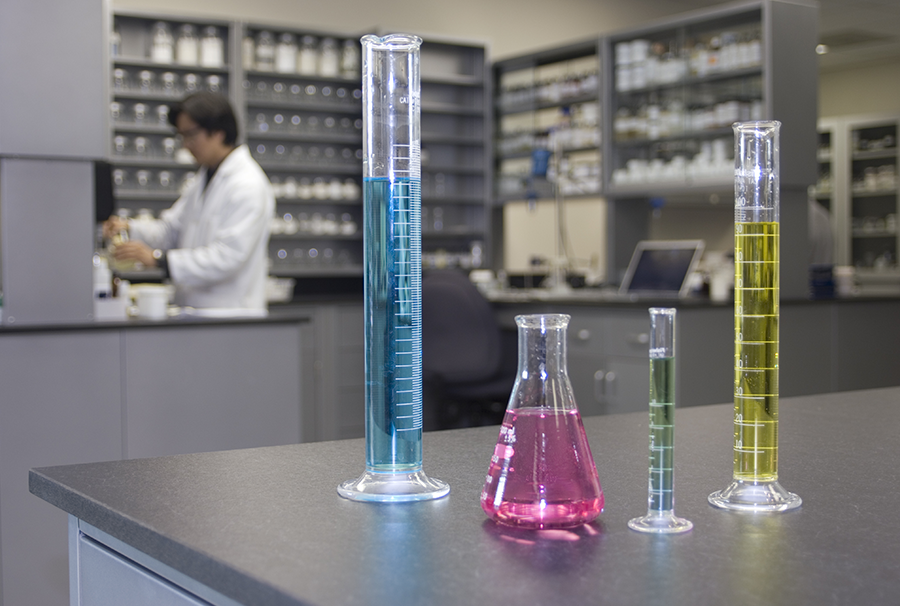
4 different beakers with different liquids in them

I’d like to take a minute to pay respect to a part of the body that’s often overlooked: your nose. Scientists estimate that the nose can distinguish between over 1 trillion different odors, making it the most sensitive organ in the body, by far. Scent and memory are strongly combined, so with a single sniff, your nose can transport you to some of the best times in your life. Your sense of smell is truly amazing.

So why abuse it with artificial fragrances?

Continue reading Fragrances

Posted on 1 Comment

Parabens

What is in your beauty products Image

What You Need to Know About Parabens

Take a look at any list of dangerous ingredients to watch out for in personal care products and you will see parabens near the top… with good reason. Commonly used to prevent bacteria growth, parabens are virtually everywhere and are associated with a number of very troubling side effects. I do not let them anywhere near my products, and here is why:

What Are Parabens?

Parabens are a type of preservative. Manufacturers include them in their products to stop the growth of bacteria, mold, fungus, and other things you definitely do not want in your lotion. There is nothing wrong with preservatives in hair and skincare products in theory, but there are a few problems with parabens, in particular.

For example, parabens are not water-soluble and can penetrate your skin.

And there is evidence that the body cannot metabolize these chemicals, which means they build up in your system over time and with repeated exposure.

Where Can You Find Parabens?

To put it bluntly: just about everywhere. Parabens are extremely common in conventional personal care products, including soaps, shampoos, conditioners, facial cleansers, makeup, shaving gels, moisturizers, lotions and more. Look out for products that contain any of the following ingredients: ethylparaben, butylparaben, isobutylparaben, isopropylparaben, methylparaben or propylparaben.

Why Parabens Are a Problem

If you spend much time researching parabens, you will run into a study that found five different parabens in the breast tumors of 19 out of the 20 women studied. That really scares me. While it is not enough evidence to conclusively prove that parabens cause breast cancer, it absolutely shows that the body does not break down these chemicals.

Think about all the personal care products you and the average person use over a day, a month, a year and a lifetime. That’s a lot of parabens.

This exposure becomes even scarier when you consider parabens’ ability to mimic estrogen. Studies have found that parabens bind to estrogen receptors, disrupting the body’s ability to produce this hormone. Estrogen disruption is linked to reproductive issues and breast cancer. Hence, even if parabens don’t cause breast cancer directly, they can help create an environment that is friendly to it.

Some research sources are quick to point out that small concentrations of parabens are considered safe. If you only used a single product that contained these chemicals, maybe that would be okay. But we can easily encounter dozens of paraben-laced products in our daily lives, and that exposure builds up over a lifetime.

No wonder the EU recently banned this ingredient.

Paraben Alternatives

Parabens might be common, but that does not mean they are inescapable. As information about their dangers spreads, more and more products are going paraben-free. That is a good thing. However, just because a bottle of lotion has a “paraben-free” sticker on it does not mean it is free of other problematic ingredients.

Do your due diligence when considering a new conventional personal care item… or stick to natural products and skip the junk altogether.

Research into parabens is ongoing, but I have heard enough to know they are not something I want in my body or my products. Keep your eye out for these preservatives – your body will thank you.

– Christina Moss

What Are Your Thoughts on “What You Need to Know about Parabens”?

Posted on 1 Comment

Why I Love Castor Bean Oil PLUS How to Make Your Own Feet Softening Butter

Flowers

Many of us can remember an older relative or friend who swore by castor oil. While its use isn’t as popular today as it once was, this unique oil still possesses some amazing qualities that make it perfect for healing your skin, nourishing your hair, and supporting your body’s systems. Here are a few of my favorite uses for organic castor bean oil: (try them and you’ll love this oil as much as I do.)

Continue reading Why I Love Castor Bean Oil PLUS How to Make Your Own Feet Softening Butter

Posted on 1 Comment

5 Reasons Why I Love Beeswax (and Why You Should Love it Too!)

Bee on a flower

When you think of bees, you may think of honey. I know I do, especially when I’m enjoying a cup of tea. However, that’s just the beginning of what these amazing insects give us. Look a little closer and you’ll find beeswax. Not to “wax” poetic, but this amazing natural ingredient is bursting with benefits for the skin. Keep reading to find out what all the “buzz” is about. (No more bee puns, I promise!)

Continue reading 5 Reasons Why I Love Beeswax (and Why You Should Love it Too!)

Posted on

The Facts About Sodium Lauryl Sulfate

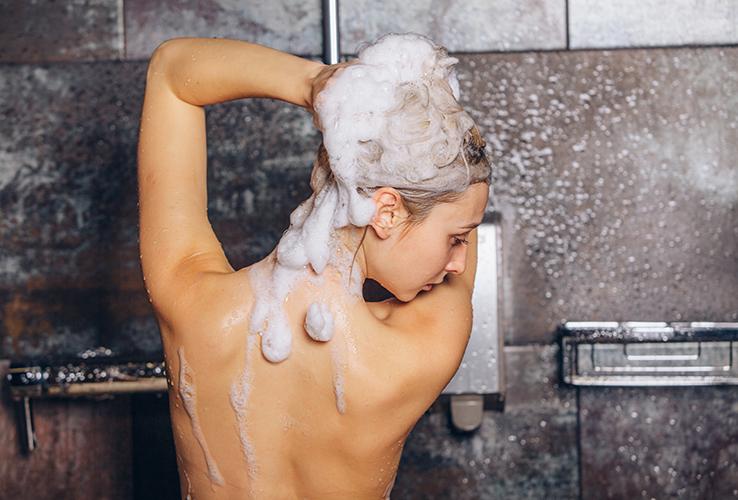
Woman in a shower with Shampoo in hair

Here’s a pop quiz: what do industrial cleaning agents, engine degreasers, and the bottle of conventional shampoo in your shower have in common? Answer: they all contain sodium lauryl sulfate.

Sodium lauryl sulfate (SLS) is incredibly common in personal care items, but don’t let that make you think it’s safe: it’s also connected with some incredibly troublesome health issues. I never use SLS in any of my products, and it doesn’t take much to explain why.

Continue reading The Facts About Sodium Lauryl Sulfate